Balanced Diet: A Complete Guide to Healthy Eating for Everyday Life
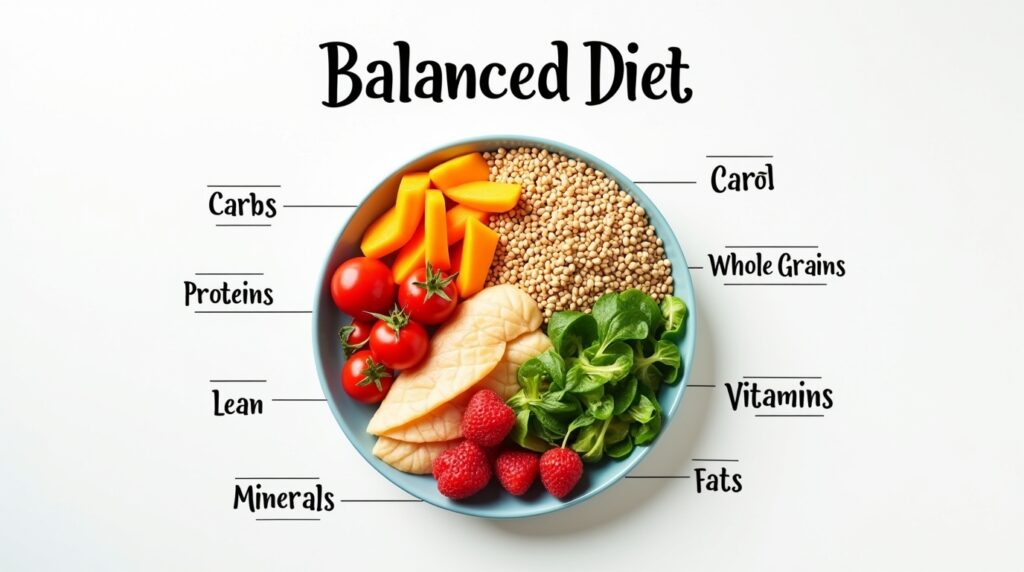
A balanced diet is one of the most powerful A clean,
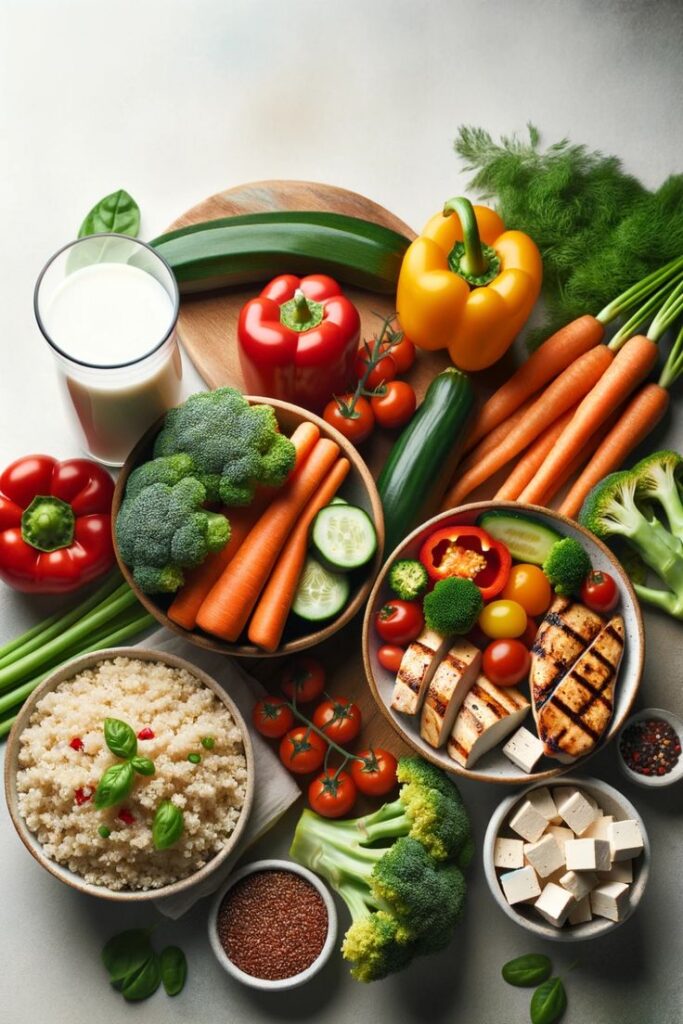
modern flat-lay design with the heading ‘Balanced Diet’ written at the top in bold aesthetic font. In the center, a perfectly arranged balanced diet plate showing colorful fruits, fresh vegetables, whole grains, lean protein, and healthy fats. Surrounding the center food plate, small labels appear like ‘Carbs’, ‘Proteins’, ‘Fats’, ‘Vitamins’, and ‘Minerals’. Soft natural lighting, white background, high-quality sharp details, Pinterest-style healthy lifestyle layout tools to
maintain energy, improve health, and support long-term wellness. In today’s fast-moving world, most people struggle to follow healthy eating habits because of busy schedules, processed foods, and lack of nutritional awareness. However, understanding what a balanced diet is — and how to include it in your daily routine — can transform the way you feel, think, and look
A balanced diet is simply a way of eating that provides your body with the essential nutrients it needs: carbohydrates, proteins, fats, vitamins, minerals, and water — in the right portions. It isn’t about strict rules or cutting out entire food groups. Instead, it’s about balanced food choices that nourish and fuel the body.
In this guide, we’ll break down everything you need to know about a balanced diet, including the balanced diet plan, balanced meals, the importance of a balanced diet plate, and how to create a balanced diet for weight loss without starving yourself.
What Is a Balanced Diet?
A balanced diet is a nutritional pattern that includes a variety of foods from all major food groups, ensuring proper intake of macronutrients (carbs, proteins, fats) and micronutrients (vitamins & minerals). Balanced nutrition helps the body perform essential functions — from boosting immunity to maintaining brain health, muscle strength, and a stable metabolism.
The primary goal of a balanced diet for healthy lifestyle is to give the body everything it needs to stay active, strong, and disease-free.

Why Balanced Nutrition Matters
Balanced nutrition affects every part of your body:
- Strengthens muscles and bones
- Supports heart health
- Improves digestion
- Boosts immunity
- Enhances mental focus and memory
- Maintains healthy skin and hair
- Prevents fatigue and mood swings
When you eat balanced meals regularly, your body functions more efficiently, leading to long-term wellness and improved energy levels.

Understanding the Balanced Diet Plate
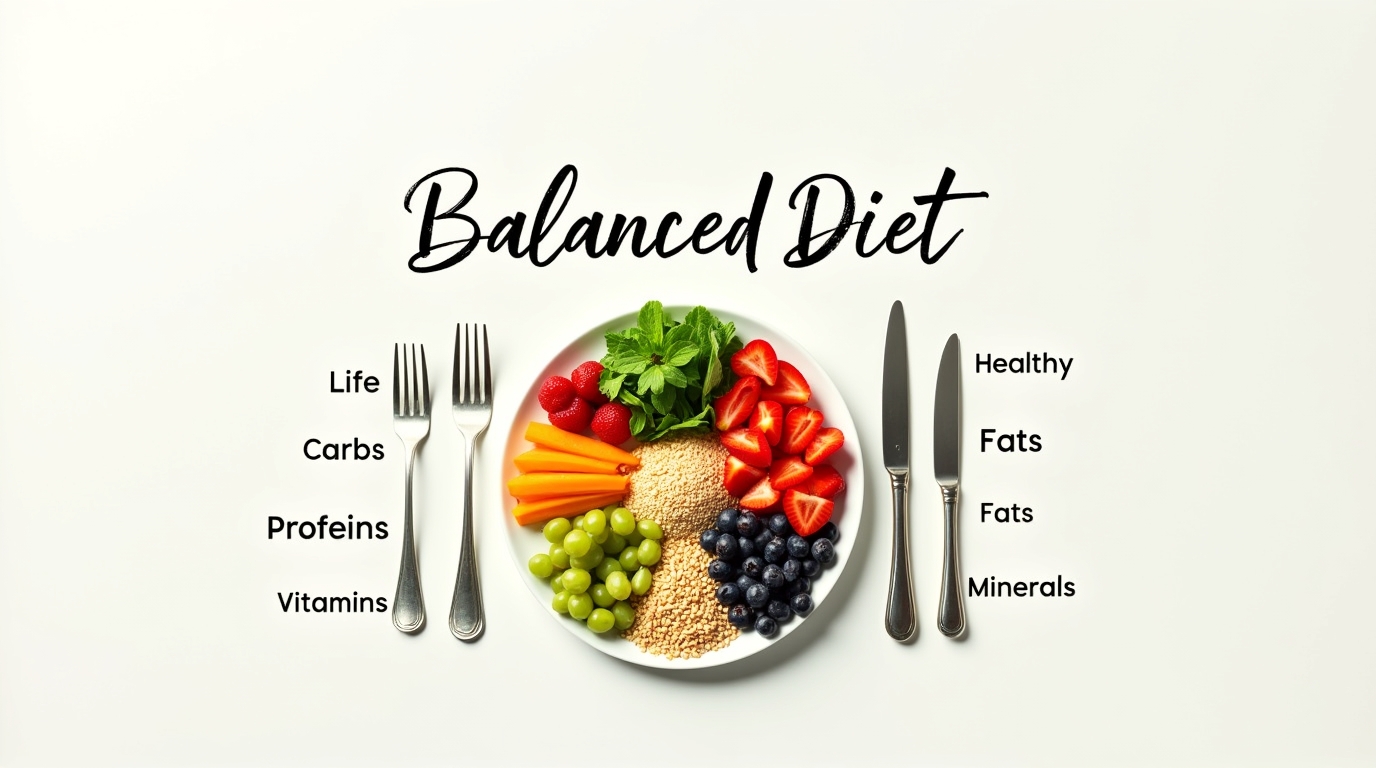
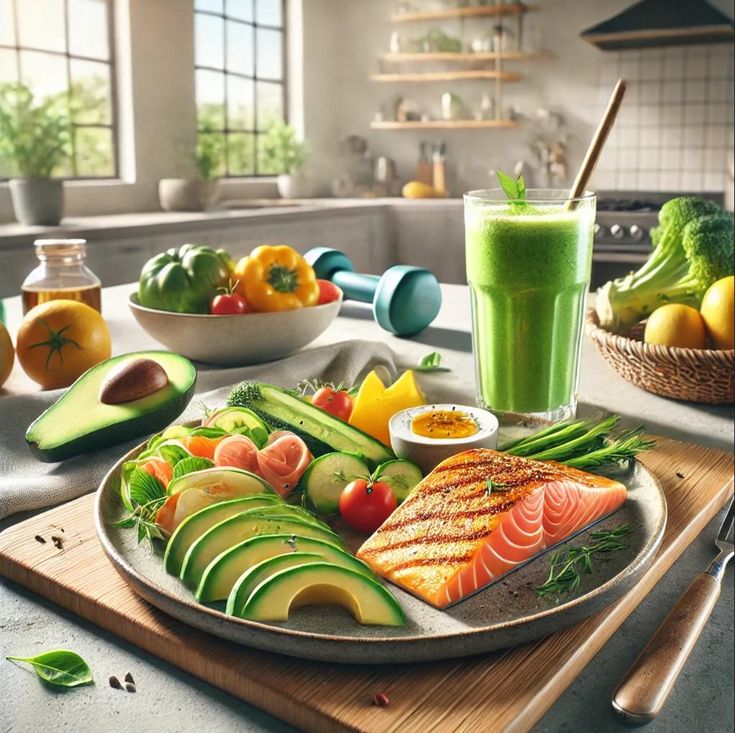
One of the easiest ways to visualize healthy eating is by using a balanced diet plate. Nutrition experts recommend dividing your plate into four major sections:
50% Fruits & Vegetables
These provide fiber, vitamins, and antioxidants.
Examples: spinach, carrots, berries, oranges, bell peppers, broccoli.
25% Healthy Carbohydrates
Choose whole, unprocessed sources.
Examples: brown rice, oats, quinoa, sweet potatoes, whole wheat bread.
25% Protein
Protein promotes muscle growth and keeps you full.
Examples: chicken, lentils, fish, chickpeas, paneer, eggs.
A small portion of Healthy Fats
Examples: nuts, avocado, olive oil, chia seeds.
Following the balanced diet plate template ensures your portions stay in check and you get all necessary nutrients in one meal.
Balanced Diet Chart: What to Eat Daily
A balanced diet chart can help you simplify your day-to-day food choices. Here’s an easy example:
Breakfast
- Oats with fruit & nuts
- Eggs with wholegrain toast
- Smoothie with spinach, banana & chia seeds
Mid-Morning Snack
- Apple + peanut butter
- A handful of almonds
- Greek yogurt with berries
Lunch
- Brown rice or chapati
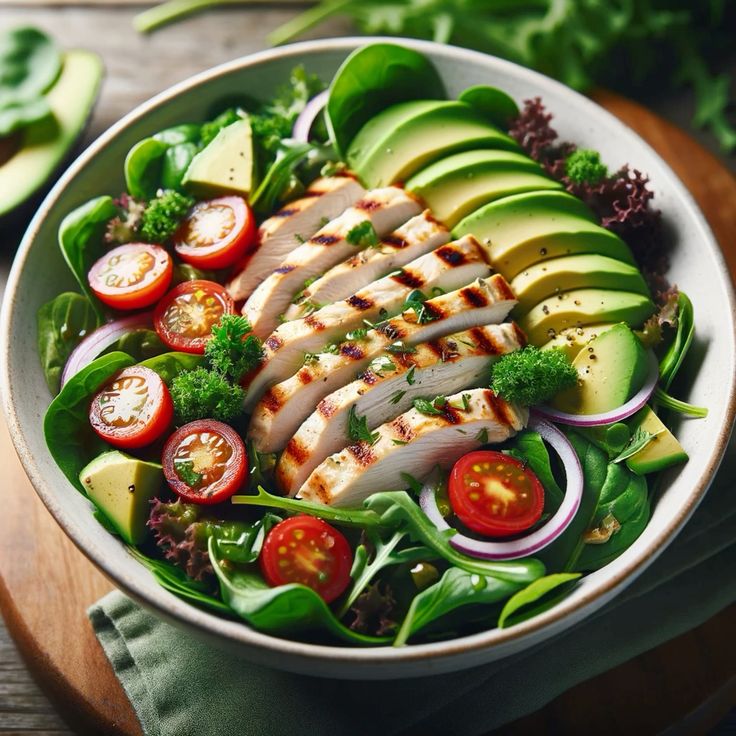
- Grilled chicken or lentils
- Mixed vegetable salad
- One serving of yogurt
Evening Snack
- Hummus with carrots
- Green tea with wholegrain crackers
Dinner
- Grilled fish or chickpeas
- Stir-fried vegetables
- Quinoa or sweet potato
A balanced diet chart doesn’t have to be complicated. The more natural, colorful, and whole your foods are, the better.

Balanced Diet Meal Plan for a Healthy Lifestyl
Creating a balanced diet meal plan helps remove confusion and keeps you consistent. Whether you’re trying to lose weight or maintain energy, a simple weekly plan can make a big difference.
Tips for Making a Balanced Diet Meal Plan
- Add vegetables to at least two meals daily
- Choose lean proteins like fish, chicken, tofu, lentils
- Replace deep-fried items with grilled or baked options
- Cut down sugary drinks and processed snacks
- Drink 7–8 glasses of water daily
- Eat three meals + two small snacks to avoid overeating
A balanced diet plan is flexible — you can adjust it based on your culture, budget, and taste preferences.
Balanced Diet for Weight Loss: What Actually Works
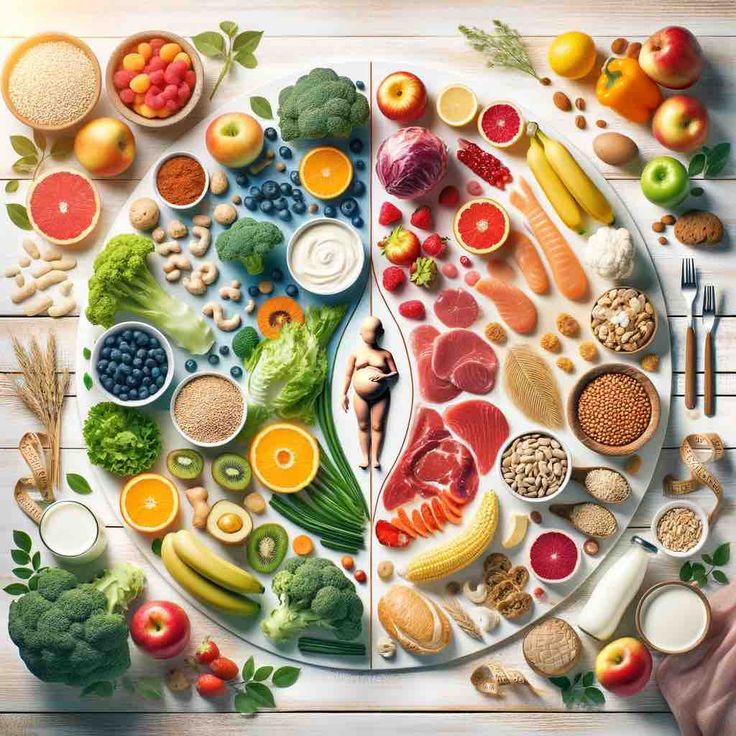
Losing weight does not mean cutting out all your favorite foods or starving yourself. A balanced diet for weight loss focuses on nourishing the body while reducing calorie-dense, low-nutrition items.
Weight Loss Rules Based on a Balanced Diet
✔ Eat more fiber (veggies, fruits, oats) to stay full
✔ Include protein in every meal to avoid cravings
✔ Use smaller plates to control portions
✔ Drink water before meals
✔ Avoid sugary snacks, bakery items, and soft drinks
✔ Replace white bread, white rice, and pasta with whole grains
Balanced meals help keep your blood sugar stable, preventing unnecessary snacking. When you eat a balanced diet consistently, losing weight becomes easier and healthier.
Healthy Snacks for Balanced Diet Lovers
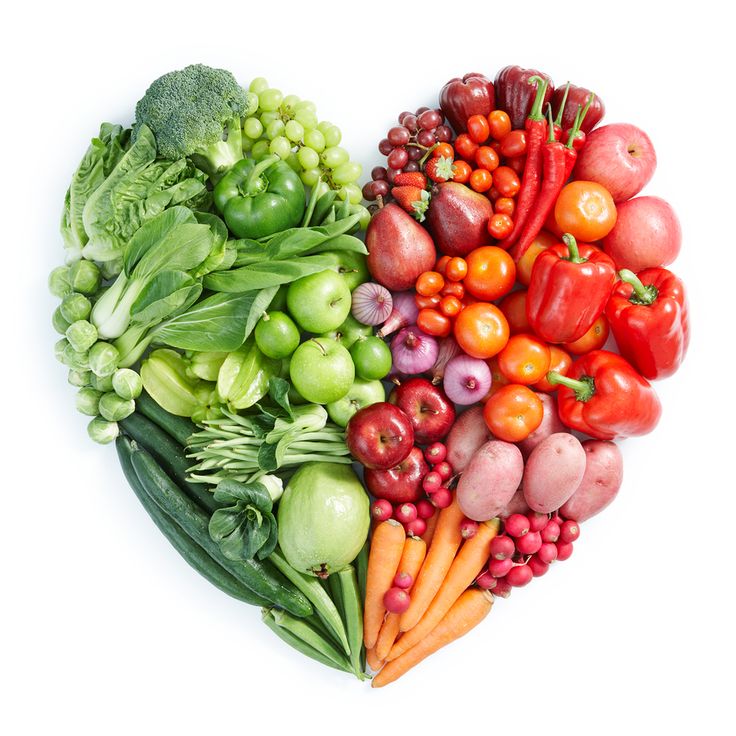
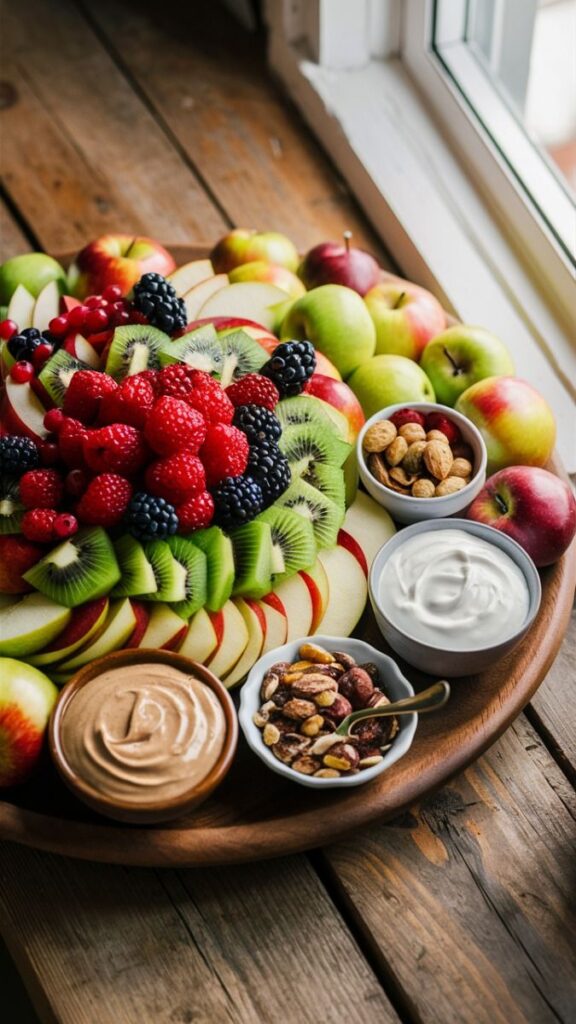
Snacking is often the biggest challenge for people trying to follow a healthy diet. Instead of packaged foods, choose these nutrient-dense options:
- Mixed nuts
- Fruit bowls
- Chia pudding
- Boiled eggs
- Vegetable sticks with hummus
- Yogurt with honey
- Air-popped popcorn
These options fit perfectly within a balanced diet plan and help you stay energized throughout the day.
Common Mistakes to Avoid in a Balanced Diet
Even when trying to eat healthier, people make certain mistakes:
Skipping breakfast
Eating too many “healthy” snacks
Not drinking enough water
Removing all fats from the diet
Relying too much on protein only Eating large portions even of healthy foods
Remember: Balance is key. It’s about eating the right food in the right amount.
Final Thoughts: Make Balanced Food Choices Every Day
A balanced diet is not a temporary solution — it’s a lifestyle. When you understand the basics of balanced nutrition, build your meals around whole foods, and follow a simple balanced diet plate, your health begins to transform. You feel lighter, more energetic, mentally sharper, and emotionally stable.

Whether your goal is weight loss, muscle gain, or general wellness, a balanced diet provides all the building blocks for a healthy life. Start small, stay consistent, and choose what nourishes your body.
Your health is your investment — and a balanced diet is the foundation of it.